
The Effects of Alcohol & Caffeine on Dehydration
Managing alcohol-related bloating involves a combination of making informed choices about what you drink and adopting healthy lifestyle habits. Even when choosing alcohol types generally considered less bloating, moderation remains key. These shifts are not exclusive to one gender but are part of the broader aging process and can become more noticeable as individuals move through midlife and beyond. In advanced cases where chronic kidney disease develops due to long-term alcohol abuse, dialysis or transplantation might become necessary. Poor nutrition combined with alcohol-induced oxidative stress accelerates tissue damage across organs including renal tissues.
Does alcohol withdrawal cause dehydration?
Fluid retention can stem from many different medical conditions and some drugs. Anyone who is thinking of using diuretics to get rid of extra fluid should discuss the possible causes of fluid retention with a doctor first. A study found that parsley seed extract given to rats increased their urine volume significantly.
Diuretics in patients with chronic kidney disease
If you have side effects that bother you while taking diuretics, talk to your doctor. They may prescribe a different medication or combination of medications to help reduce your side effects. The best way to quickly rehydrate is to regain the minerals flushed out due to excessive urination. The amount of alcohol you consume will influence the symptoms you experience. Drinking water while you’re still drunk isn’t going to prevent you from becoming dehydrated, but it may help lessen the degree to which you’re dehydrated. One glass of liquor drunk slowly over the course of an evening will be less dehydrating than having several beers or glasses of wine during the same time frame.
Levels of Care
The damage is done the very second the first drop of alcohol is processed by the body. Restraining yourself is futile; it https://ecosoberhouse.com/ will only cause you pain and discomfort. Natural diuretics may not be effective in lowering high blood pressure or resolving other problems that diuretic drugs may be used for. People who regularly have drinks with caffeine can develop a tolerance to caffeine and will not see any difference. Nigella sativa is being studied as a possible treatment for high blood pressure. Thiazides decrease blood pressure at the same time as removing excess fluid, as they relax the blood vessels.
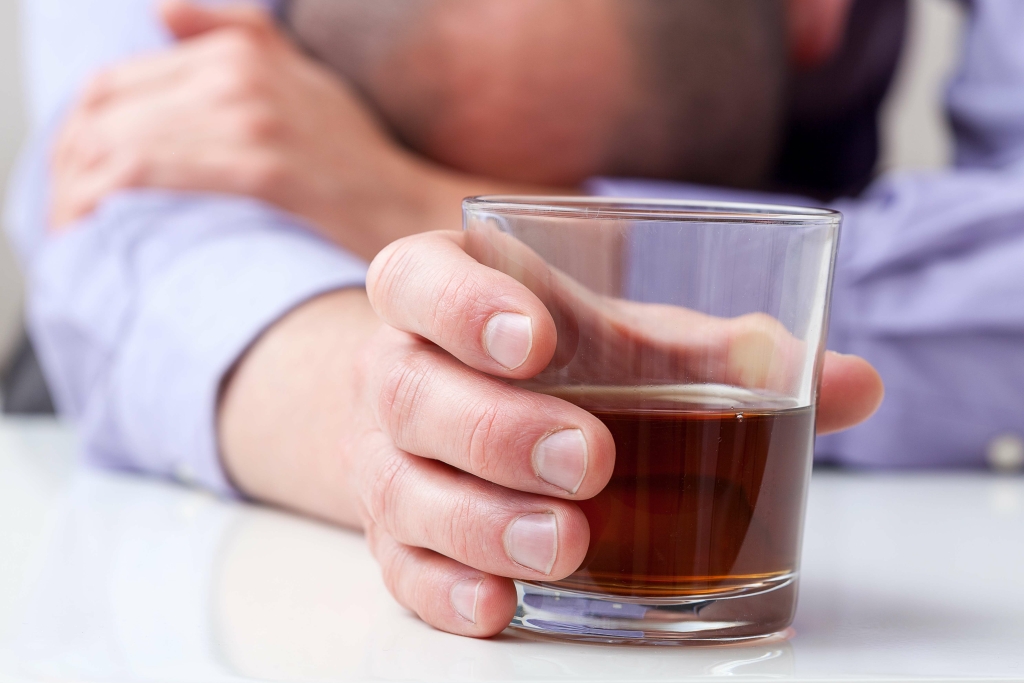
A descriptive example is a 45-year-old heavy drinker who develops persistent swelling in the legs and elevated creatinine levels, indicators of kidney dysfunction. Early intervention, such as reducing alcohol intake and staying hydrated, can prevent or slow this progression. The dehydration risk from is alcohol a diuretic alcohol’s diuretic properties is not uniform across all age groups or health conditions.
The mechanism of diuretics involves their ability to inhibit the reabsorption of sodium and water in the kidneys, leading to increased urine output. This process is particularly relevant when examining the interaction between diuretics and alcohol. Alcohol itself is a diuretic, and when consumed, it suppresses the release of vasopressin (also known as antidiuretic hormone), which normally acts to reabsorb water in the kidneys. As a result, alcohol consumption leads to increased urine production and subsequent electrolyte loss. When diuretics are introduced, this effect is compounded, potentially causing a more severe electrolyte imbalance. This is especially true for individuals who consume alcohol regularly or in large quantities while also taking diuretic medications.
The Role of Hydration in Protecting Kidneys from Alcohol Damage
- A small amount of caffeine may not be an issue for most people, though increasing caffeinated beverages may contribute to overall caffeine intake.
- In advanced cases where chronic kidney disease develops due to long-term alcohol abuse, dialysis or transplantation might become necessary.
- In severe cases, dehydration can lead to more serious health issues, such as heat stroke or kidney damage.
While vodka might have a reputation for being a potent diuretic, it’s worth mentioning that other spirits like gin, whiskey, and rum can also have a similar effect. The higher the alcohol concentration, the more diuretic the drink tends to be. Every gram of alcohol contains seven calories, which is almost as high as pure fat. Most popular alcoholic beverages are also packed with refined sugars and high-calorie mixers. These liquid calories do not trigger the same fullness signals as solid protein or fiber sources.
By taking proactive steps to maintain fluid and electrolyte balance, individuals can reduce the severity of hangover symptoms and promote a quicker recovery. The alcoholism symptoms diuretic effect of alcohol can be influenced by the amount consumed and its concentration in the beverage. For example, liquors and wines have higher alcohol content than beer, which may result in more frequent urination. Additionally, individual factors such as age, overall health, and physiology can also impact the likelihood of alcohol-induced urinary retention. This can be exacerbated in hot weather, as dehydration is more likely to occur in higher temperatures.
The Link Between Alcohol-Related Liver Disease and Kidney Damage
Alcohol is a diuretic, which means it increases urine production and makes you pee more. When you drink alcohol, your body loses water faster than usual, which can lead to dehydration. This is because alcohol inhibits the release of the antidiuretic hormone vasopressin (also known as ADH), which is responsible for reabsorbing water. Without this hormone, the body gets rid of excess water through urine, resulting in clear urine and a more frequent need to urinate. Alcohol is a diuretic, which means it increases the amount of water that the body discharges. Diuretics cause increased urine production, resulting in clear, colourless urine.
- This process is particularly relevant when examining the interaction between diuretics and alcohol.
- That will help you stay at a safe level for your total intake of caffeine.
- Dehydration can occur when alcohol is consumed without adequate water intake, as alcohol has a dehydrating effect on the body.
- However, no consistent theory exists on the extent of diuresis due to alcohol consumption.
When you have more particles than fluid, your kidneys hold on to fluid, and you don’t feel the need to pee. The consumption of a cold soda may feel refreshing at first but likely will not satisfy a person’s thirst in the long run. Furthermore, changes in body composition, such as a decrease in muscle mass and an increase in fat mass, can influence how the body handles alcohol. Muscle tissue plays a role in metabolism, and its reduction can contribute to slower processing. The distribution of body fat can also affect the sensation of fullness and bloating. Other, more-common issues people have reported after drinking caffeinated drinks are trouble sleeping, loose stools and upset stomach.
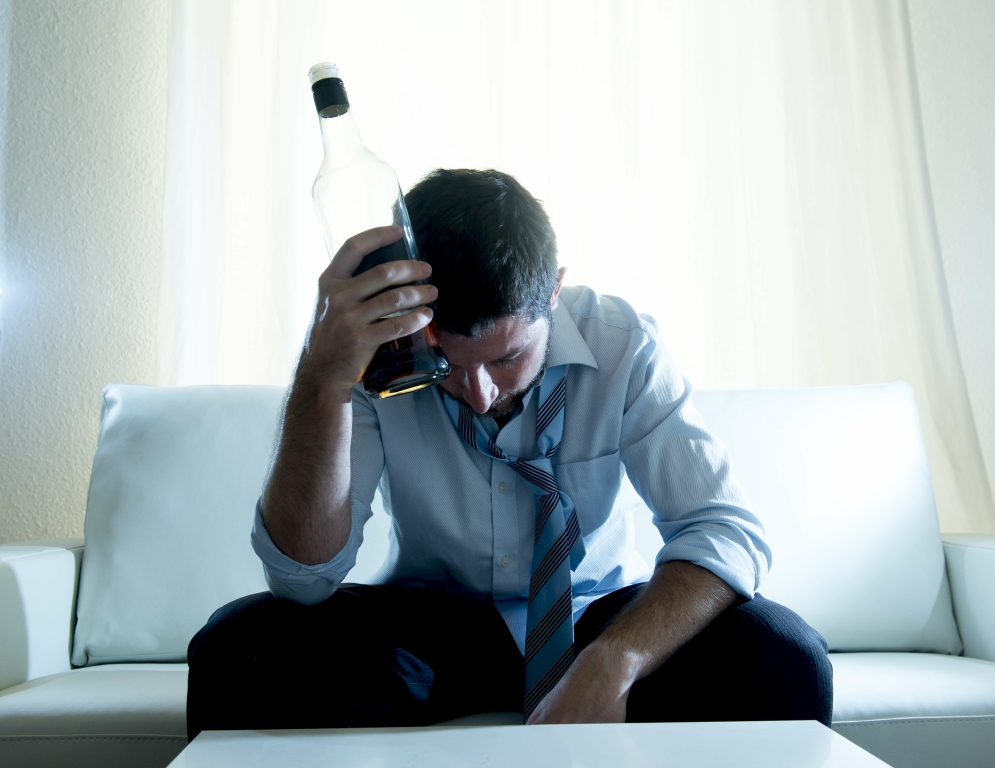
Adding diuretics to the mix amplifies this effect, causing the body to lose fluids and essential electrolytes at a faster rate. This accelerated dehydration not only worsens the immediate effects of alcohol but also prolongs and intensifies the hangover experience. The primary mechanism of diuretics involves their interaction with the renal tubules in the kidneys. These medications target specific transport systems, such as the sodium-potassium pump or chloride channels, to inhibit the reabsorption of sodium and water. For instance, loop diuretics act on the thick ascending limb of the loop of Henle, while thiazide diuretics work on the distal convoluted tubule.
How to Get Rid of Hangover Shakes
The best way to avoid alcohol-related bedwetting is by drinking alcohol in moderation or using the bathroom before sleeping to ensure the bladder is empty. Potassium-sparing diuretics don’t reduce blood pressure as well as the other types of diuretics do. Therefore, your doctor may prescribe a potassium-sparing diuretic with another medication that also lowers blood pressure. The other types of diuretics cause you to lose potassium, which can lead to health problems such as arrhythmia. Potassium-sparing diuretics may be prescribed for people at risk of low potassium levels, such as those who take other medications that deplete potassium.